
Countries That Wave The Red, White, And Green Flags
By Emma Martinez
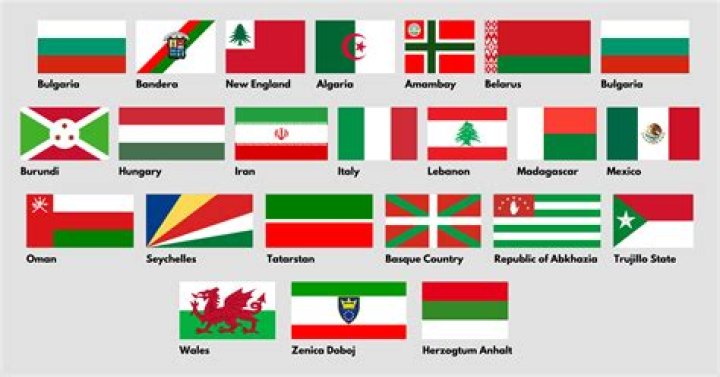
Which countries proudly wave the vibrant colors of red, white, and green on their national flags? A multitude of nations around the world incorporate these hues into their banners, each with its own unique symbolism and historical significance.
The combination of red, white, and green often carries profound meanings. Red frequently represents valor, strength, or the blood shed in the fight for independence. White symbolizes purity, peace, or unity. Green often embodies nature, prosperity, or hope for the future.
Throughout history, several countries have adopted these colors for their flags. Notable examples include Italy, Hungary, Ireland, Mexico, and Bulgaria. Each nation's flag tells a story of its past, present, and aspirations.
Exploring the world of countries with red, white, and green flags offers a fascinating journey through diverse cultures and rich histories. Let's delve into the captivating stories behind these tricolor emblems.
Countries with Red, White, and Green Flags
The combination of red, white, and green on national flags represents a myriad of significant themes and values across the globe. These colors often carry deep historical, cultural, and symbolic meanings, reflecting the unique identities and aspirations of the countries that proudly display them.
- Historical Symbolism: Many countries with red, white, and green flags have adopted these colors to commemorate their struggles for independence, representing the blood shed, purity of intentions, and hope for a prosperous future.
- Cultural Heritage: These colors are often deeply ingrained in the cultural heritage of nations, representing traditional values, beliefs, and aspirations. They may be associated with specific ethnic groups, religious traditions, or geographical features.
- Geographic Significance: In some cases, the colors of a flag reflect the country's natural landscapes. Green may represent lush forests or fertile plains, while blue may symbolize rivers, lakes, or coastal regions.
- Political Meaning: The arrangement and proportions of the colors on a flag can also convey political messages. For instance, the placement of green above red may indicate a priority for environmental protection or agricultural development.
- International Recognition: Countries with red, white, and green flags are instantly recognizable on the world stage. These flags serve as powerful symbols of national identity and pride, fostering a sense of unity and belonging among citizens.
In conclusion, the presence of red, white, and green on national flags is not merely a coincidence but a carefully considered choice that reflects the rich,,,,international significance of these countries. Each flag tells a unique story, embodying the aspirations, values, and identity of the nation it represents.
Historical Symbolism
The historical symbolism embedded in the red, white, and green flags of various nations holds profound significance. These colors are not merely decorative elements but carry deep meanings rooted in the struggles and aspirations of the people they represent.
The color red, often associated with blood, serves as a poignant reminder of the sacrifices made by those who fought for their countries' independence. It symbolizes the bravery, determination, and resilience of the human spirit in the face of adversity.
White, representing purity and innocence, reflects the hopes and dreams of a new era. It signifies the desire for a clean break from the past and the establishment of a just and equitable society.
Green, embodying nature and prosperity, represents the aspirations for a brighter future. It symbolizes the potential for growth, abundance, and harmony within the nation.
Together, these colors form a powerful visual representation of the historical struggles, present values, and future aspirations of the countries that proudly display them. They serve as a reminder of the sacrifices made to achieve independence, the commitment to building a better future, and the enduring hope that guides the nation's journey.
In conclusion, the historical symbolism embedded in red, white, and green flags serves as a testament to the resilience, aspirations, and unwavering spirit of the nations they represent. These flags are more than just pieces of cloth; they are symbols of national identity, pride, and the collective will to shape a better future.
Cultural Heritage
The cultural heritage of a nation is closely intertwined with the colors of its flag. For countries with red, white, and green flags, these hues carry deep symbolic meanings that are rooted in the traditions, beliefs, and aspirations of the people.
- Historical Events and Traditions
The colors of a flag can commemorate significant historical events or traditions. For example, the green, white, and red stripes of the Mexican flag represent independence, purity, and Catholicism, reflecting the country's history and cultural heritage.
- Ethnic and Cultural Identity
Flags can also embody the cultural identity of specific ethnic groups within a nation. In Ireland, the green, white, and orange tricolor represents the island's Catholic, Protestant, and neutral communities, showcasing the country's diverse cultural heritage.
- Religious Symbolism
Religious beliefs often influence the colors and symbols on a flag. The green, white, and black stripes of the Hungarian flag, for example, represent the Holy Crown of Hungary, symbolizing the country's Christian heritage and the unity of its people.
- Geographical Features
The colors of a flag can reflect the geographical features of a nation. The blue, white, and green of the Italian flag represent the sky, the snow-capped Alps, and the fertile plains, capturing the country's natural beauty and diversity.
In conclusion, the cultural heritage of a nation is deeply embedded in the colors of its flag. Red, white, and green flags around the world carry symbolic meanings that reflect the historical events, traditions, ethnic diversity, religious beliefs, and geographical features that shape each country's unique identity.
Geographic Significance
The geographic significance of a country's flag provides a unique connection to its natural environment. The colors and symbols chosen often reflect the dominant geographical features, landscapes, and ecosystems that shape the nation's identity.
Countries with red, white, and green flags frequently incorporate these hues to represent their :
- Green: Lush forests, fertile plains, and agricultural abundance are common associations with the color green. For example, the green band on the flag of Ireland symbolizes the country's verdant countryside, while the green stripe on the flag of Hungary represents the fertile Great Hungarian Plain.
- White: Snow-capped mountain ranges, icy landscapes, and vast salt flats are often represented by white. The white stripe on the flag of Iceland reflects the country's glaciers and snowy peaks, while the white band on the flag of Canada represents the snow-covered Arctic regions.
- Red: Arid deserts, red rock formations, and volcanic landscapes can be symbolized by the color red. The red stripe on the flag of Mexico represents the country's vast deserts, while the red triangle on the flag of Lebanon symbolizes the blood shed during the country's struggle for independence.
Understanding the geographic significance behind the colors of a country's flag deepens our appreciation for the nation's unique natural heritage. It provides a glimpse into the relationship between a people and their land, showcasing how the environment has shaped their culture and identity.
In conclusion, the geographic significance of red, white, and green flags offers a fascinating insight into the diverse landscapes and ecosystems that define different countries around the world. These flags serve as vibrant visual representations of the natural beauty and unique characteristics that make each nation special.
Political Meaning
The political meaning embedded within the arrangement and proportions of colors on a flag provides a unique lens through which to understand a country's priorities and values. The placement of green above red, for example, often signifies a strong emphasis on environmental protection or agricultural development.
Consider the flag of Ethiopia, where green occupies the topmost position. This placement reflects the country's commitment to environmental sustainability and agricultural prosperity. Ethiopia's green highlands, abundant water resources, and rich biodiversity have long been central to its national identity and economic development.
Similarly, the flag of Madagascar features a prominent green stripe. This symbolizes the country's lush rainforests, which cover over 90% of its landmass and are home to a diverse array of plant and animal species. Madagascar's green stripe conveys the importance of preserving its natural heritage and promoting sustainable environmental practices.
Understanding the political meaning behind the arrangement of colors on a flag enhances our comprehension of a country's policy priorities and aspirations. It highlights the issues that a nation deems most important and the values that guide its decision-making.
In conclusion, the political meaning embedded within the colors and arrangement of flags provides valuable insights into a country's political landscape. By analyzing the placement and proportions of colors, we gain a deeper understanding of the nation's priorities, values, and aspirations.
International Recognition
The vibrant combination of red, white, and green on national flags commands instant recognition and evokes a profound sense of national pride. These flags transcend mere pieces of cloth; they embody the essence of a nation, its history, values, and aspirations.
- Global Symbolism: Red, white, and green flags are instantly recognizable worldwide, representing a diverse array of nations and cultures. From the tricolore of France to the bandeira of Brazil, these flags are visual shorthand for the countries they represent.
- National Identity: Flags are potent symbols of national identity, fostering a sense of unity and belonging among citizens. When individuals see their flag waving, they feel connected to a shared history, culture, and destiny.
- Cultural Heritage: The colors and designs of red, white, and green flags often reflect a country's cultural heritage. For instance, the green, white, and orange stripes of the Irish flag represent the country's Catholic, Protestant, and neutral communities.
- Diplomatic Relations: Flags play a crucial role in diplomatic relations, representing nations on the world stage. Embassies and diplomatic missions around the globe proudly display their national flags as symbols of their countries' sovereignty and presence.
In conclusion, the international recognition of countries with red, white, and green flags underscores their significance as powerful symbols of national identity, pride, and unity. These flags are more than just pieces of fabric; they are potent visual representations of the nations they represent, connecting citizens to their shared history, culture, and aspirations.
Frequently Asked Questions
This section addresses commonly asked questions and misconceptions regarding countries that feature red, white, and green on their national flags, providing concise and informative answers.
Question 1: Which countries have flags with red, white, and green?
Answer: Numerous countries incorporate these colors into their flags, including Italy, Hungary, Ireland, Mexico, and Bulgaria.
Question 2: What do the colors red, white, and green typically symbolize on flags?
Answer: Red often represents valor, strength, or the blood shed in the fight for independence; white symbolizes purity, peace, or unity; and green embodies nature, prosperity, or hope for the future.
Question 3: Do all countries with red, white, and green flags have the same arrangement of colors?
Answer: No, the arrangement and proportions of the colors vary among countries, reflecting unique historical, cultural, and geographical factors.
Question 4: Are there any countries with flags that feature only red, white, and green?
Answer: Yes, the flag of Hungary consists solely of red, white, and green horizontal stripes.
Question 5: What is the significance of the placement of green above red on some flags?
Answer: In certain cases, the placement of green above red signifies a priority for environmental protection or agricultural development.
Question 6: Do countries with red, white, and green flags share any common historical or cultural connections?
Answer: While each country's flag has its own unique symbolism, some share historical or cultural ties, such as those with Celtic heritage (Ireland, Hungary) or those influenced by the Italian tricolore (Mexico, Hungary).
Summary: Countries with red, white, and green flags represent a diverse array of nations, each with its own unique history, culture, and symbolism embedded within its national banner. Understanding the significance of these colors and their arrangement provides a deeper appreciation for the identities and values of these countries.
Transition to Next Section: This concludes the frequently asked questions section. The following section will delve into the historical evolution of flags featuring red, white, and green.
Conclusion
Our exploration of countries with red, white, and green flags has revealed a kaleidoscope of nations, each with its unique history, culture, and symbolism woven into its national banner. These colors, often imbued with profound meanings, represent the struggles, aspirations, and identities of these nations.
The presence of red, white, and green on flags worldwide underscores the interconnectedness of human experience. From the emerald hills of Ireland to the vibrant landscapes of Mexico, these colors transcend boundaries, fostering a sense of global unity and shared values.
As we continue to learn about the diverse symbolism of national flags, we gain a deeper appreciation for the richness and complexity of human civilization. May these flags forever wave as proud emblems of the nations they represent, inspiring unity, fostering pride, and connecting us all under the common banner of human endeavor.
Alex Trebek's Son Mourns Legendary Father's Sudden Death
Meet Sean Hannity's New Wife: Exclusive Photos Uncovered
The Definitive Guide To The Average Salary Of Local News Anchors