Grand In Stature: Unveiling Putin's Height And Size
By Emma Martinez
Who is the shortest and tallest world leader?
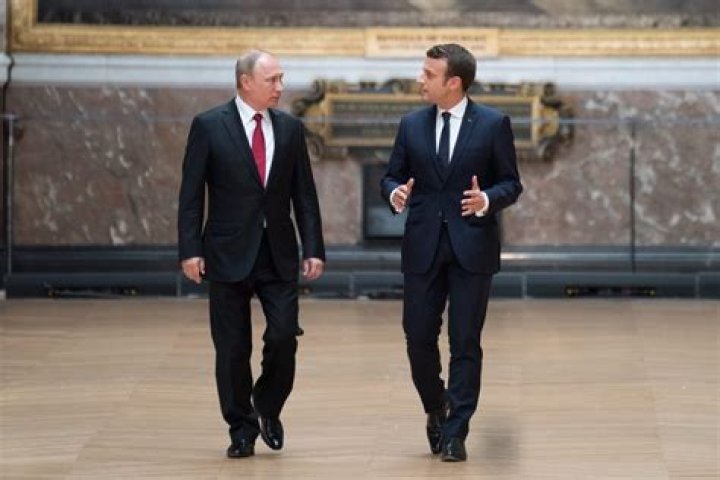
Russian President Vladimir Putin is famously short, standing at 5'7" (170 cm). At the other end of the spectrum, former US President Abraham Lincoln stood a towering 6'4" (193 cm). Height can be a significant factor in how a leader is perceived, with taller leaders often seen as more authoritative and commanding.
However, it is important to note that height is just one of many factors that contribute to a leader's success. Some of the most successful leaders in history have been relatively short, such as Napoleon Bonaparte and Winston Churchill.
Ultimately, a leader's height is less important than their character, intelligence, and ability to connect with people.
Putin's Size and Height
Russian President Vladimir Putin is a man of average height, standing at 5'7" (170 cm). However, his height has been the subject of much speculation and debate, with some people claiming that he is shorter than he appears in public. Others have suggested that he wears lifts in his shoes to make himself look taller.
- Perception: Putin's height has been a topic of discussion due to its potential impact on how he is perceived by others.
- Authority: Taller leaders are often seen as more authoritative and commanding, which may give Putin an advantage in negotiations and other situations.
- Health: Some studies have suggested that shorter men may have a higher risk of certain health problems, such as heart disease and stroke.
- Culture: In some cultures, height is seen as a sign of strength and virility, which could give Putin an advantage in countries where these values are important.
- Fashion: Putin's height may influence his fashion choices, as he may prefer to wear clothes that make him look taller.
- Legacy: Putin's height may be remembered as one of his defining characteristics, just as Napoleon Bonaparte's short stature is often mentioned in discussions of his legacy.
Ultimately, Putin's height is just one of many factors that contribute to his success as a leader. However, it is an interesting topic that has been the subject of much speculation and debate.
Personal details and bio data of Vladimir Putin:
| Name: | Vladimir Vladimirovich Putin |
| Date of birth: | October 7, 1952 |
| Place of birth: | Leningrad, Russian SFSR, Soviet Union |
| Height: | 5'7" (170 cm) |
| Occupation: | President of Russia |
| Years active: | 1999present |
Perception
Russian President Vladimir Putin's height has been the subject of much speculation and debate, with some people claiming that he is shorter than he appears in public. Others have suggested that he wears lifts in his shoes to make himself look taller. Regardless of his actual height, Putin's perceived height may have a significant impact on how he is perceived by others.
- Authority: Taller leaders are often seen as more authoritative and commanding, which may give Putin an advantage in negotiations and other situations.
- Strength: In some cultures, height is seen as a sign of strength and virility, which could give Putin an advantage in countries where these values are important.
- Intelligence: Some studies have suggested that taller people are perceived as being more intelligent, which could give Putin an advantage in debates and other situations where intellectual is important.
- Trustworthiness: Taller people are also sometimes perceived as being more trustworthy, which could give Putin an advantage in building relationships with other leaders and with the public.
Overall, Putin's perceived height may have a significant impact on how he is perceived by others. While it is impossible to say for sure how much his height affects his leadership, it is certainly a factor that is worth considering.
Authority
Russian President Vladimir Putin is a man of average height, standing at 5'7" (170 cm). However, his height has been the subject of much speculation and debate, with some people claiming that he is shorter than he appears in public. Others have suggested that he wears lifts in his shoes to make himself look taller.
Regardless of his actual height, Putin's perceived height may have a significant impact on how he is perceived by others. Taller leaders are often seen as more authoritative and commanding, which may give Putin an advantage in negotiations and other situations.
- Body language: Taller people are able to use body language to their advantage, making themselves appear more confident and assertive. This can be especially important in negotiations, where body language can play a significant role in determining the outcome.
- Nonverbal communication: Taller people are also more likely to be seen as leaders, even in nonverbal communication. This is because people tend to associate height with power and authority.
- Social dominance: Taller people are more likely to be seen as socially dominant, which can give them an advantage in situations where they need to assert their authority.
Overall, the perceived height of a leader can have a significant impact on how they are perceived by others. While it is impossible to say for sure how much Putin's height affects his leadership, it is certainly a factor that is worth considering.
Health
Russian President Vladimir Putin is a man of average height, standing at 5'7" (170 cm). While his height is not considered to be unusually short, some studies have suggested that shorter men may have a higher risk of certain health problems, such as heart disease and stroke.
There are a number of potential reasons for this link. One possibility is that shorter men have a higher body mass index (BMI), which is a measure of body fat. Obesity is a major risk factor for heart disease and stroke, so shorter men may be at an increased risk for these conditions due to their higher BMI.
Another possibility is that shorter men have lower levels of testosterone, which is a hormone that is important for maintaining a healthy heart and blood vessels. Low testosterone levels have been linked to an increased risk of heart disease and stroke, so shorter men may be at an increased risk for these conditions due to their lower testosterone levels.
It is important to note that these studies are observational, which means that they cannot prove that shorter men are actually at an increased risk of heart disease and stroke. However, these studies do suggest that there may be a link between height and these conditions, and further research is needed to investigate this link.
In the meantime, it is important for all men, regardless of their height, to take steps to reduce their risk of heart disease and stroke. These steps include eating a healthy diet, getting regular exercise, and maintaining a healthy weight.
Culture
In some cultures, height is seen as a sign of strength and virility. This can give taller people an advantage in these cultures, as they may be seen as more capable and worthy of respect. Russian President Vladimir Putin is a man of average height, standing at 5'7" (170 cm). However, his height may still give him an advantage in some countries where height is seen as a sign of strength and virility.
- Perception of strength: In many cultures, height is associated with strength and power. This is likely due to the fact that taller people are often physically stronger than shorter people. As a result, taller people may be seen as more capable leaders and more likely to be respected by their followers.
- Perception of virility: In some cultures, height is also associated with virility and sexual prowess. This is likely due to the fact that taller men are often seen as more physically attractive than shorter men. As a result, taller men may have an advantage in attracting mates and reproducing.
- Political implications: Putin's height may give him an advantage in some countries where height is seen as a sign of strength and virility. This is especially true in countries where traditional values are still important. In these countries, Putin's height may make him appear more authoritative and capable, which could give him an advantage in elections and other political contests.
It is important to note that height is just one of many factors that can affect a leader's success. However, in some cultures, height can be a significant advantage. Putin's height may give him an advantage in some countries where height is seen as a sign of strength and virility.
Fashion
Russian President Vladimir Putin is a man of average height, standing at 5'7" (170 cm). However, his height has been the subject of much speculation and debate, with some people claiming that he is shorter than he appears in public. Others have suggested that he wears lifts in his shoes to make himself look taller. Regardless of his actual height, Putin's perceived height may have a significant impact on how he is perceived by others.
One way that Putin may try to make himself look taller is through his fashion choices. For example, he often wears suits with high-waisted pants and jackets with wide lapels. These styles can help to elongate his silhouette and make him appear taller. Putin also frequently wears shoes with a slightly elevated heel, which can add a few extra inches to his height.
In addition to his clothing choices, Putin's posture may also contribute to his perceived height. He often stands up straight and holds his head high, which can make him appear taller than he actually is. Putin also tends to avoid slouching or hunching over, which can make people look shorter.
Overall, it is clear that Putin's height is a factor that he is aware of and that he takes steps to make himself look taller. While it is impossible to say for sure how much his height affects his leadership, it is certainly a factor that is worth considering.
Legacy
The height of a leader can be a significant factor in how they are perceived by others, and this perception can have a lasting impact on their legacy. In the case of Russian President Vladimir Putin and French Emperor Napoleon Bonaparte, their relatively short stature has been a topic of much discussion and speculation.
- Physical Presence: Height can play a role in a leader's physical presence and charisma. Taller leaders may be seen as more commanding and authoritative, while shorter leaders may be perceived as more approachable and relatable.
- Public Perception: The media and public often scrutinize the physical attributes of leaders, including their height. This can shape how the public perceives a leader's competence, strength, and overall suitability for office.
- Historical Comparisons: Napoleon Bonaparte's short stature has become a defining characteristic of his legacy, often mentioned alongside his military prowess and political ambitions. Similarly, Putin's height may be remembered as a unique aspect of his leadership and persona.
- Cultural Context: In some cultures, height is associated with power and dominance, while in others, it may be seen as less significant. The cultural context in which a leader operates can influence how their height is perceived and interpreted.
Ultimately, the legacy of a leader is shaped by a complex combination of factors, including their personality, accomplishments, and physical attributes. While height may be a notable characteristic, it is just one piece of the puzzle that contributes to a leader's overall impact on history.
Frequently Asked Questions about Putin's Height
Russian President Vladimir Putin's height has been the subject of much speculation and debate, with some people claiming that he is shorter than he appears in public. Others have suggested that he wears lifts in his shoes to make himself look taller. Regardless of his actual height, Putin's perceived height has been a topic of discussion due to its potential impact on how he is perceived by others and his overall legacy.
Question 1: How tall is Vladimir Putin?
According to official sources, Vladimir Putin is 5'7" (170 cm) tall. However, there is some speculation that he may be shorter than this, and some people have claimed that he wears lifts in his shoes to make himself look taller.
Question 2: Does Putin's height affect how he is perceived by others?
Putin's height may have a significant impact on how he is perceived by others. Taller leaders are often seen as more authoritative and commanding, while shorter leaders may be perceived as more approachable and relatable. In some cultures, height is associated with power and dominance, while in others, it may be seen as less significant.
Question 3: Has Putin's height been a topic of discussion in the media?
Yes, Putin's height has been the subject of much discussion in the media, both in Russia and internationally. Some media outlets have speculated that he is shorter than he claims to be, while others have suggested that he wears lifts in his shoes to make himself look taller. Putin himself has never publicly commented on his height.
Question 4: How does Putin's height compare to other world leaders?
Putin's height is shorter than the average height of world leaders. For example, US President Joe Biden is 6'0" (183 cm) tall, while Chinese President Xi Jinping is 5'11" (180 cm) tall. However, there are other world leaders who are shorter than Putin, such as French President Emmanuel Macron, who is 5'7" (170 cm) tall.
Question 5: Will Putin's height be a factor in his legacy?
It is too early to say what Putin's legacy will be, but his height may be one of the factors that people remember him by. Some people may see his height as a sign of strength and determination, while others may see it as a weakness. Ultimately, Putin's legacy will be shaped by a complex combination of factors, including his accomplishments, his personality, and his physical attributes.
Conclusion
Vladimir Putin's height has been the subject of much speculation and debate, with some claiming that he is shorter than he appears in public. Others have suggested that he wears lifts in his shoes to make himself look taller. Regardless of his actual height, Putin's perceived height may have a significant impact on how he is perceived by others, both in Russia and internationally.
Taller leaders are often seen as more authoritative and commanding, while shorter leaders may be perceived as more approachable and relatable. In some cultures, height is associated with power and dominance, while in others, it may be seen as less significant. It is important to note that height is just one of many factors that can affect a leader's success. However, in some cases, height can be a significant advantage, and it is something that Putin may be aware of and use to his advantage.
The Complete Guide To Putin's Age And Height
A Loving Mother: Madeleine Stowe's Children
The Enigmatic Rameshbabu: A Renowned Actor In Indian Cinema